


What We Support
University of Wisconsin, Madison - Sustainability Study Tour
Education and Career AdvancementSDF Wisconsin Sustainability Study Tour
About the Program
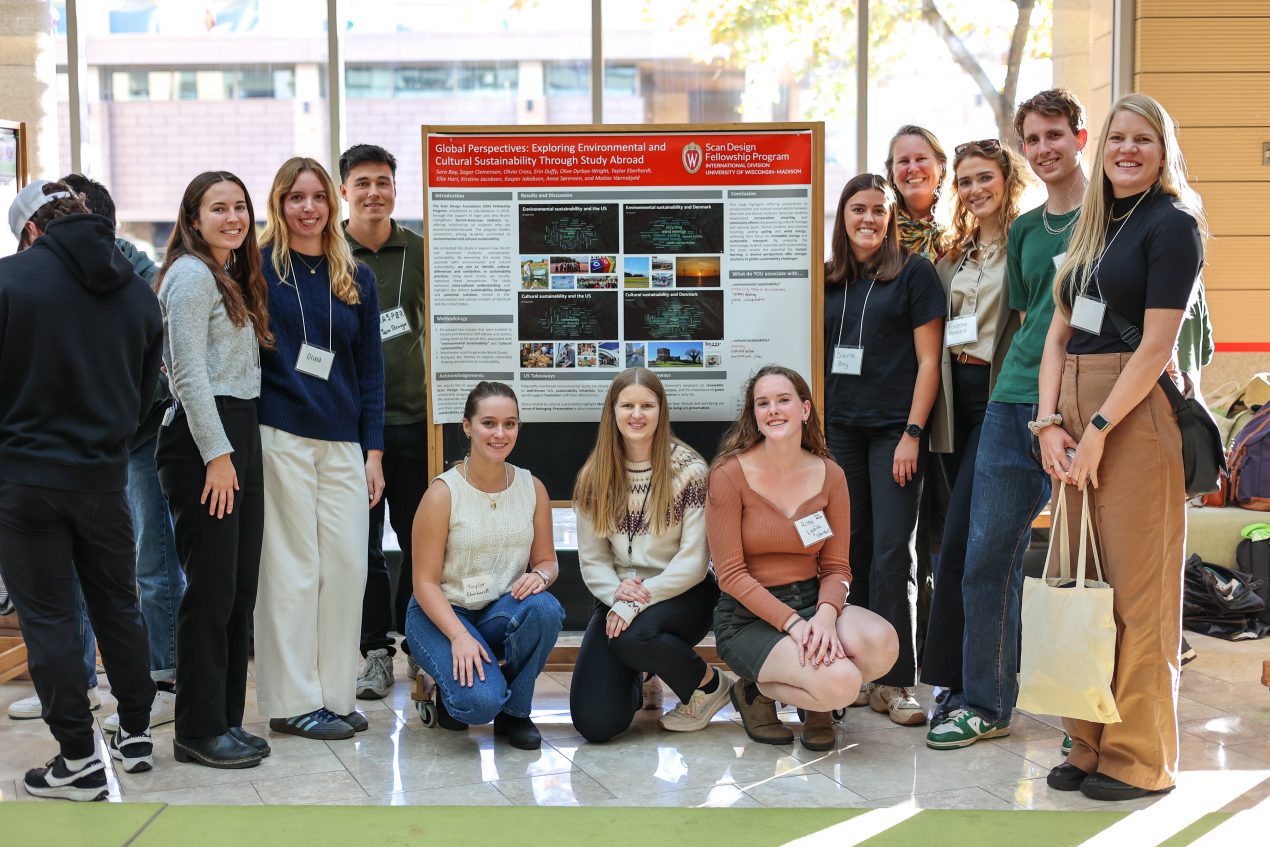
Since 2010, the Scan Design Foundation (SDF) has supported UW-Madison programs that promote Danish American relations and sustainability education.
The program was redesigned in Fall 2025 to center on place‑based learning in Wisconsin, allowing students to explore sustainability through real-world experiences, interdisciplinary dialogue, and hands-on engagement with people and landscapes across the state via a pre-semester study tour.
This program seeks to strengthen Danish-American relations by bringing together students from Denmark and UW–Madison to explore environmental and cultural sustainability initiatives across Wisconsin.
Through shared travel, dialogue with experts, and informal social experiences, participants exchange ideas, build meaningful relationships, and gain insight into each other’s cultural contexts and values. The program fosters ongoing engagement through post‑tour events and collaborative opportunities that extend these connections throughout the semester.
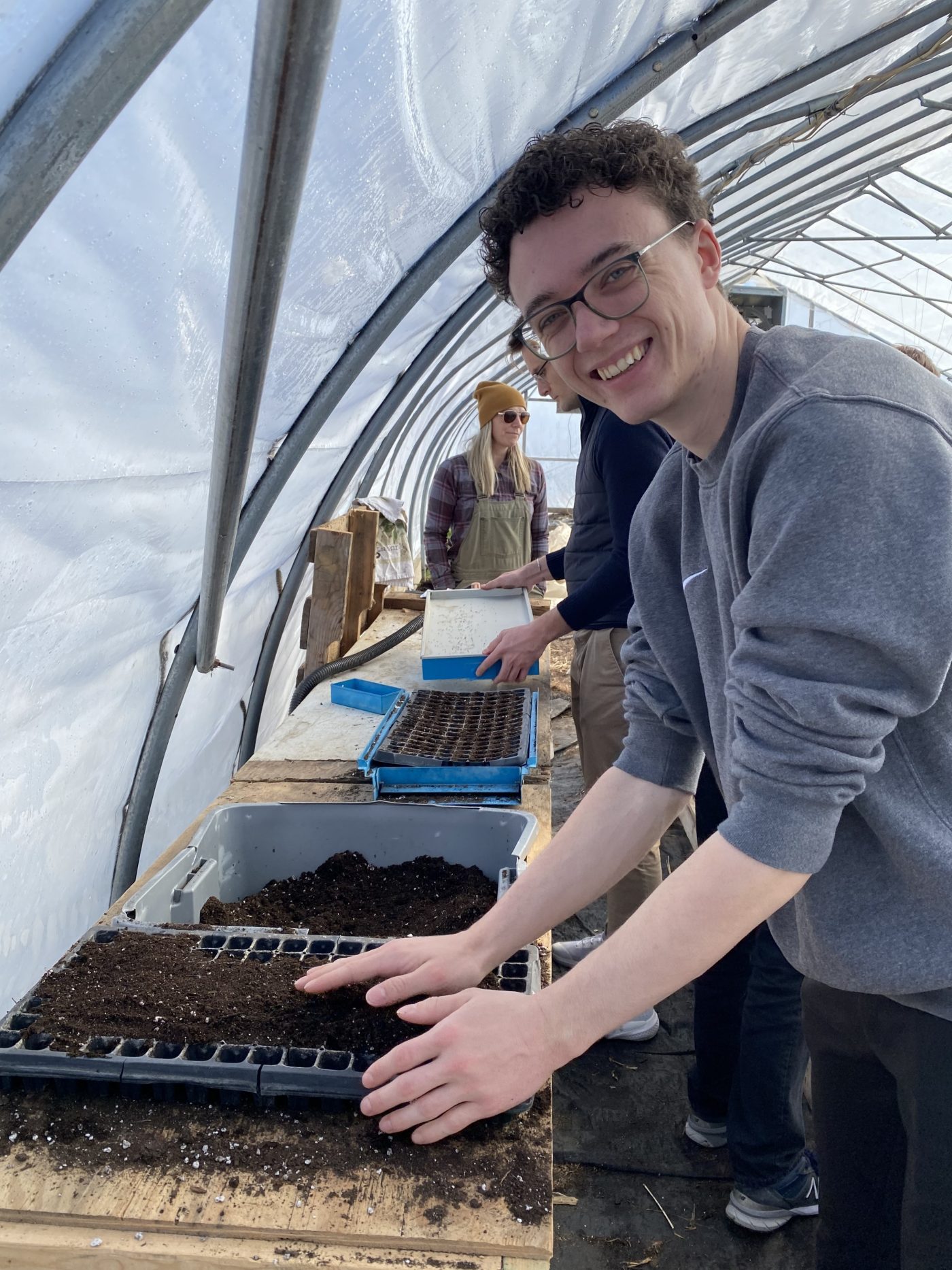
The SDF Wisconsin Sustainability Study Tour is a fully-funded program open to students from Danish universities and the University of Wisconsin-Madison. Students must have a genuine interest in environmental and cultural sustainability.
The Fall 2026 SDF Wisconsin Sustainability Study Tour dates are planned for Friday, August 21, 2026 to Wednesday, August 26, 2026.
“It’s much easier to understand a topic when you can really connect with its ideas and principles. Swimming in the lake and walking through the forest help you understand the beauty of a preserved and respected natural area.”
“Learning about the Ho-Chunk Nation’s deep connection to the land added an important cultural dimension to the conservation, reminding me that sustainability is not only ecological but also about heritage.”
“Leopold’s ‘land ethic’ fits well with Danish values because both see nature as something we’re responsible for protecting and living in balance with, not just using as a resource.”
UW-Madison