Stories of Impact
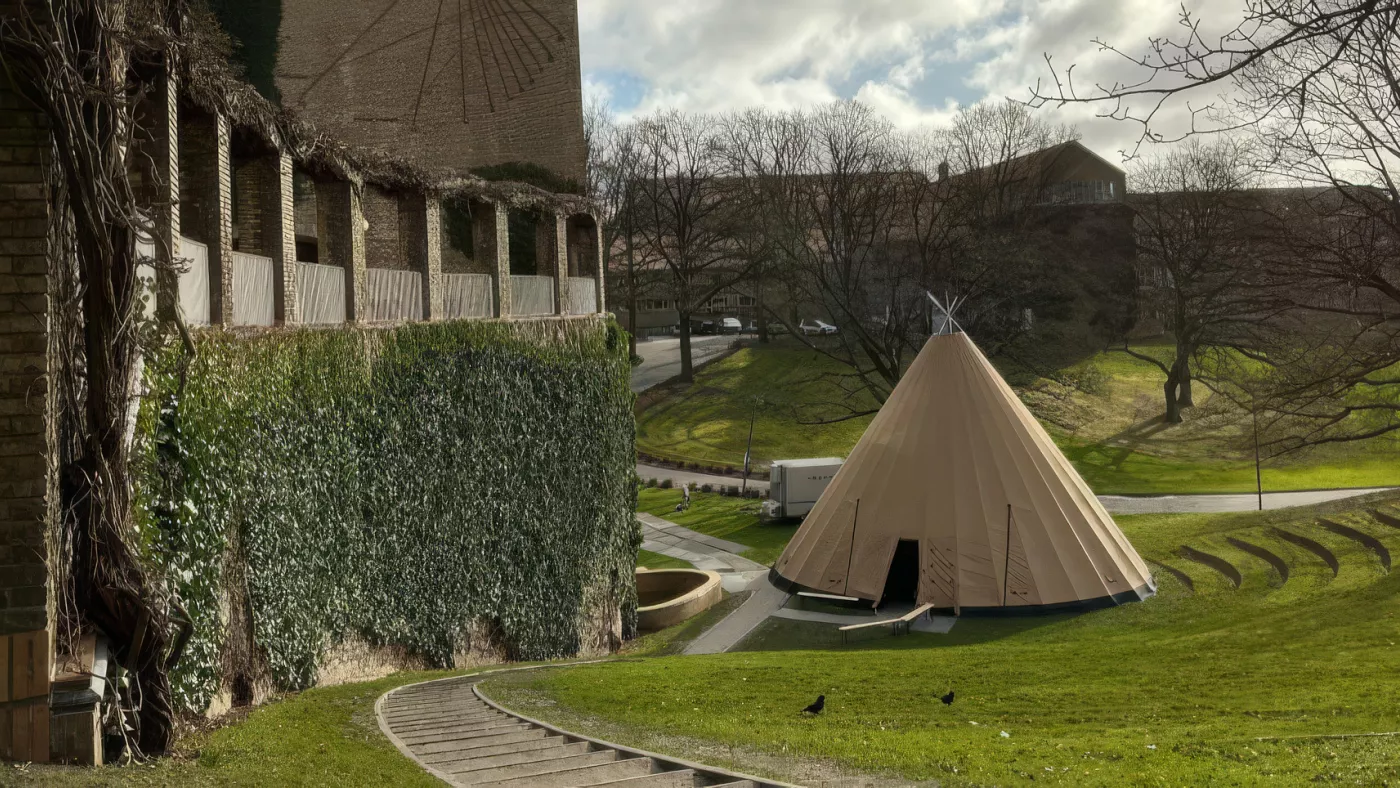
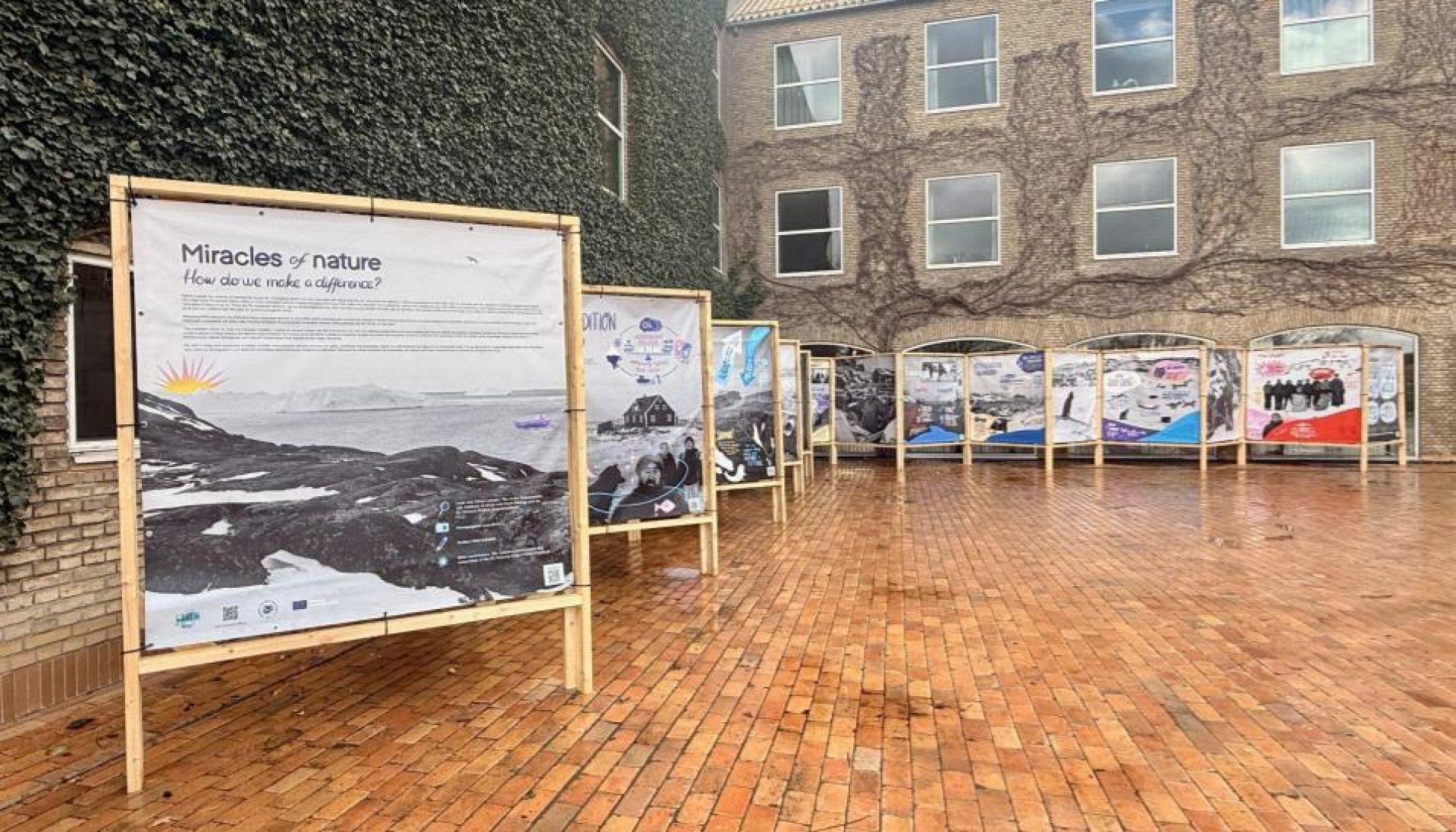
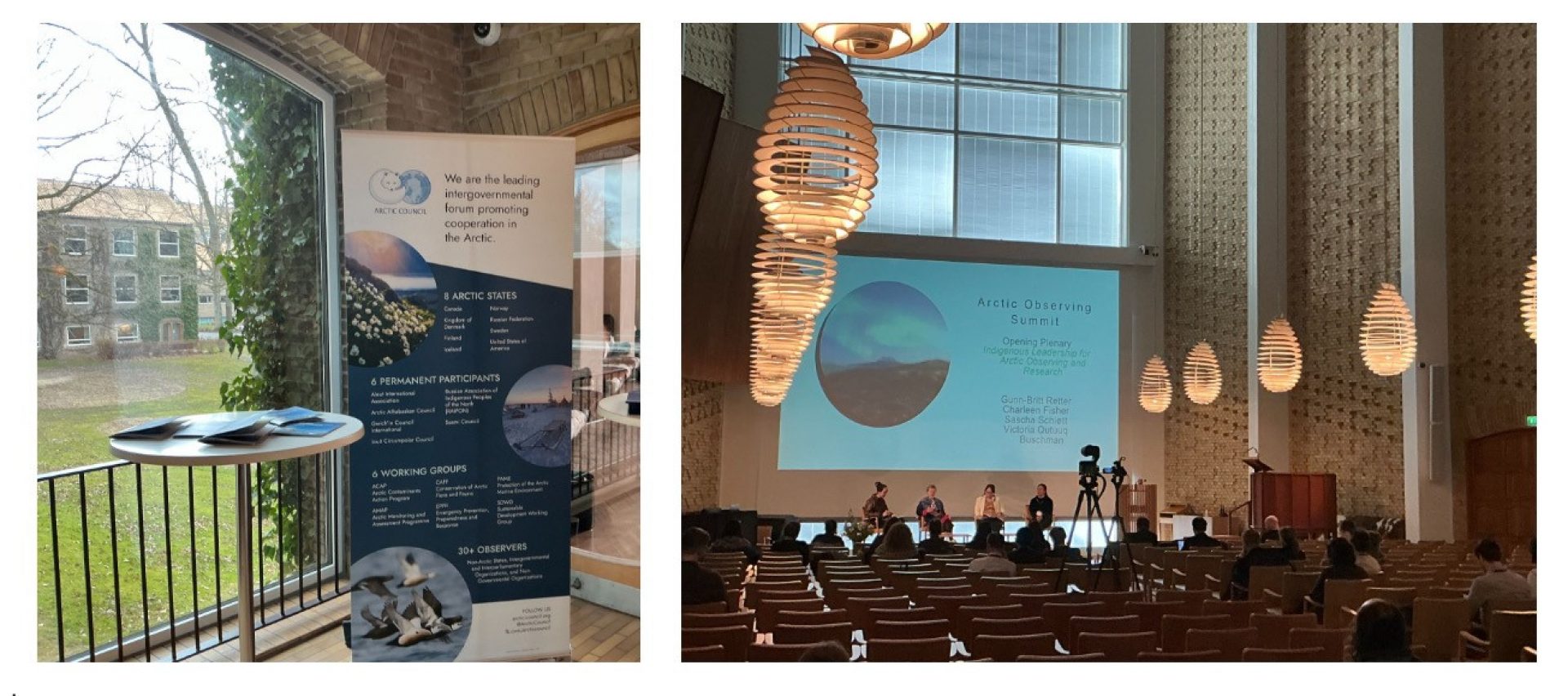
The city of Aarhus, Denmark hosted the 2026 Arctic Science Summit Week, which is an annual meeting to promote coordination, cooperation, and collaboration between Arctic leaders and across a number of scientific organizations involved in Arctic research. The International Arctic Science Committee is a leading organizer of the Summit, with cross-cutting and disciplinary activity represented in their atmosphere, ocean, cryosphere, terrestrial, and social and human working groups. Also involved, the Arctic Council is the leading intergovernmental forum promoting cooperation in the Arctic, and bridges science, policy, and diplomacy at the Arctic Science Summit Week. The Chairship of the Arctic Council rotates amongst the eight Arctic Nation States, and is currently held by the Kingdom of Denmark with Greenland’s Minister of Foreign Affairs Vivian Motzfeldt as the Chair. The full Arctic Science Summit was held from March 25 to April 1 and included community meetings and workshops, a Science Day, and the Arctic Observing Summit. The conference hosted an Indigenous Pavillion, which was a dedicated space for gathering, sharing, and knowledge exchange.
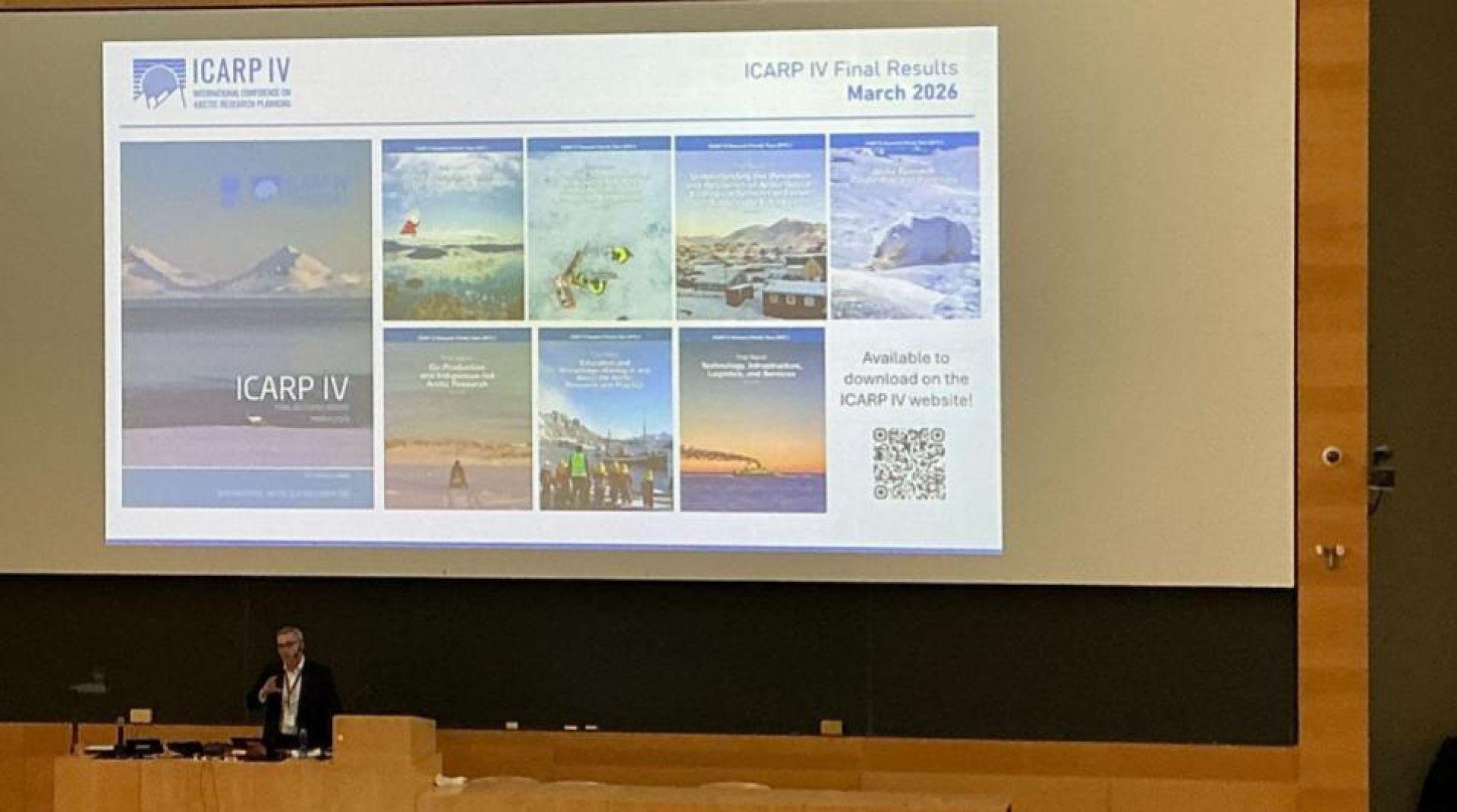
The meeting included widely attended plenary sessions on cross-cutting topics, as well as research presentations, focused working group meetings, and workshop-style sessions. Some of the sessions that we attended focused on the cryosphere, Indigenous Research, co-production of knowledge, international science, cross-disciplinary science, and capacity building. This Summit Week marked the formal release of the International Arctic Science Committee’s (IASC) Fourth International Conference on Arctic Research Planning (ICARP IV) reports. These reports identify key priorities and help set the agenda for the next decade of Arctic research, including the next IASC Strategic Plan and the upcoming 5th International Polar Year (IPY5). The reports included topics such as how high-resolution observations integrate with models, understanding two-way interactions between the Arctic and global Earth systems, and how changes in the Arctic land surface, especially from permafrost thaw and loss of ice from the Greenland Ice Sheet, have an impact locally and globally. These reports provide an international perspective on Arctic research priorities at a critical time as there is increased environmental, social, and geopolitical attention on the Arctic. The report process and outcomes also emphasize “respect for Indigenous Peoples’ Knowledge and leadership in research, the value of diverse ways of knowing, and the need to invest in meaningful and equitable research collaborations”.
The Science Day portion of the Summit Week spotlighted research within and across Arctic atmosphere, cryosphere, marine and terrestrial environments, human health, and societies and governance. Most of the oral presentations were given by early career researchers, emphasizing the leadership of the next generation of scientists.
The report process and outcomes also emphasize “respect for Indigenous Peoples’ Knowledge and leadership in research, the value of diverse ways of knowing, and the need to invest in meaningful and equitable research collaborations
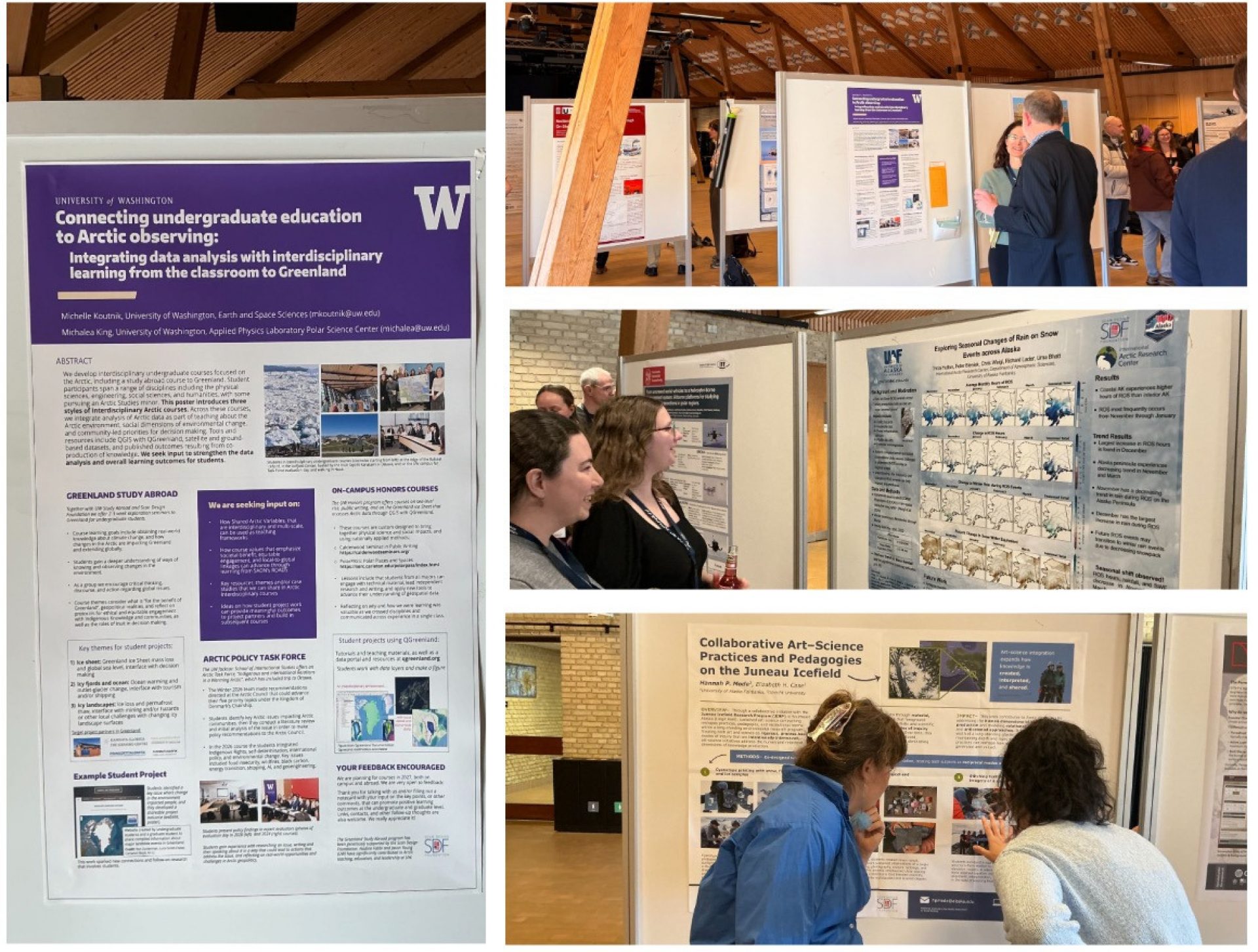
The Arctic Observing Summit produced multiple white papers and short statements that are archived, and share across topics including, ‘How working across Indigenous Knowledges and academic scientific systems strengthens research quality and societal relevance’ to bridging Arctic data gaps, and ‘Visions and policy recommendations for a future Arctic Observing System of Systems’. We learned about numerous programs that advance data collection, observations, and sharing from within the Arctic. This included:
SIKU: the Indigenous Knowledge app that is widely used for observing and reporting sea-ice conditions, but includes other uses to help empower Indigenous-led research and monitoring projects.
ELOKA: Exchange for Local Observations and Knowledge of the Arctic,
Indigenous Sentinels Network focuses on data sovereignty, knowledge integration, and customized community portals for accessing data.
AAOKH: Alaska Arctic Observatory and Knowledge Hub that has the mission to improve Arctic research and strengthen Indigenous self-determination through Indigenous-led stewardship of environmental observations and knowledge.
Indigenous Sentinels Network: Supports Indigenous-led and community-driven environmental monitoring, with a mission to train and equip communities with the skills, technology, and tools to conduct environmental monitoring and implement community-driven research.
The increasing emphasis on the polar regions in policy is reflected in high-impact statements, including being declared the UN Decade of Action for Cryospheric Sciences (2025-2034), and ‘The Global Arctic: Unprecedented Change, Global Stakes’ being centered by a recent statement from the Science Summit for the 2026 G7 (Group of Seven) Summit as one of three key topics for international attention. Planning is in progress for the 2032-33 International Polar Year (IPY5) that focuses on the impacts of climate change in the Arctic and Antarctic.
This is indeed a pivotal time for science, international collaboration, and decision making
A key message in all of these efforts is summarized in relation to the next IPY: “Global transdisciplinary coordination focused on the polar regions is therefore essential to achieving the major knowledge breakthroughs that are required to inform and develop effective international, regional, national, and local strategies to mitigate and adapt to the recent unprecedented levels of global change.” This is indeed a pivotal time for science, international collaboration, and decision making. We left the summit week with a renewed intention on fostering relationships with this international community, and using shared values to advance our research and teaching.
Michelle Koutnik
Glaciology Research Faculty Member, University of Washington

Michalea King
Researcher
Subscribe
SDF email updates (about once a month)
Follow
Find us on social platforms


Scan Design Foundation
The Scan Design Foundation by Inger & Jens Bruun was established by the Bruuns to promote and strengthen the relationship between their native Denmark and their adopted home, the United States.
US Foundation
7724 35th Ave NE
Seattle, WA. 98115
Danish Foundation
Hedesvinget 22, 9520 Skørping
scandesignfonden.dk
Cookie Policy | Terms & Conditions
© Scan Design Foundation 2026. All Rights Reserved.
Who We Are
Vision & Mission
Staff & Board
Our Story
Contact
What We Support
Advancing Danish American Relations
Projects & Partners
Strategic Framework
Sharing Our Work
Our Grant Investments
Research & Reports
Information for Students
Updates


