
Stories of Impact
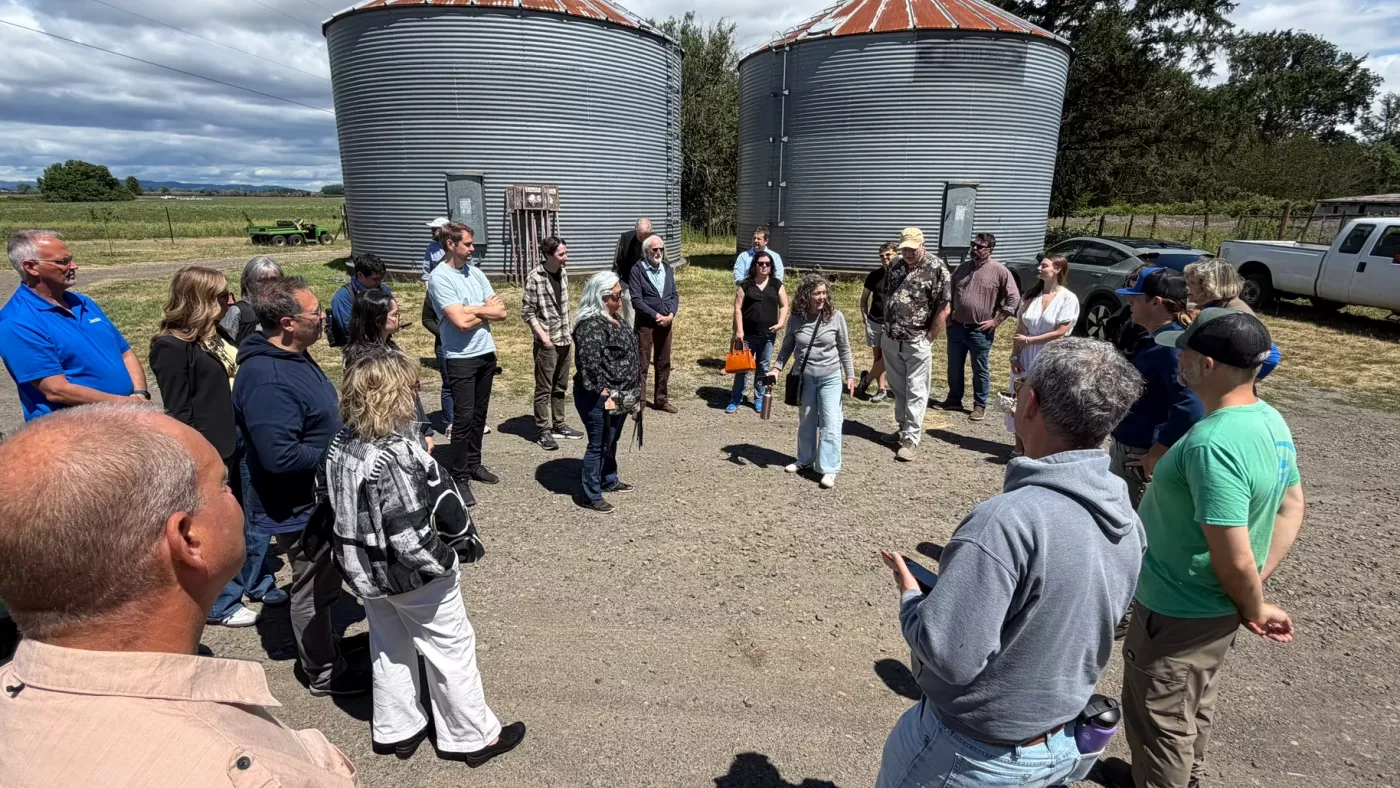
By Alex Cook
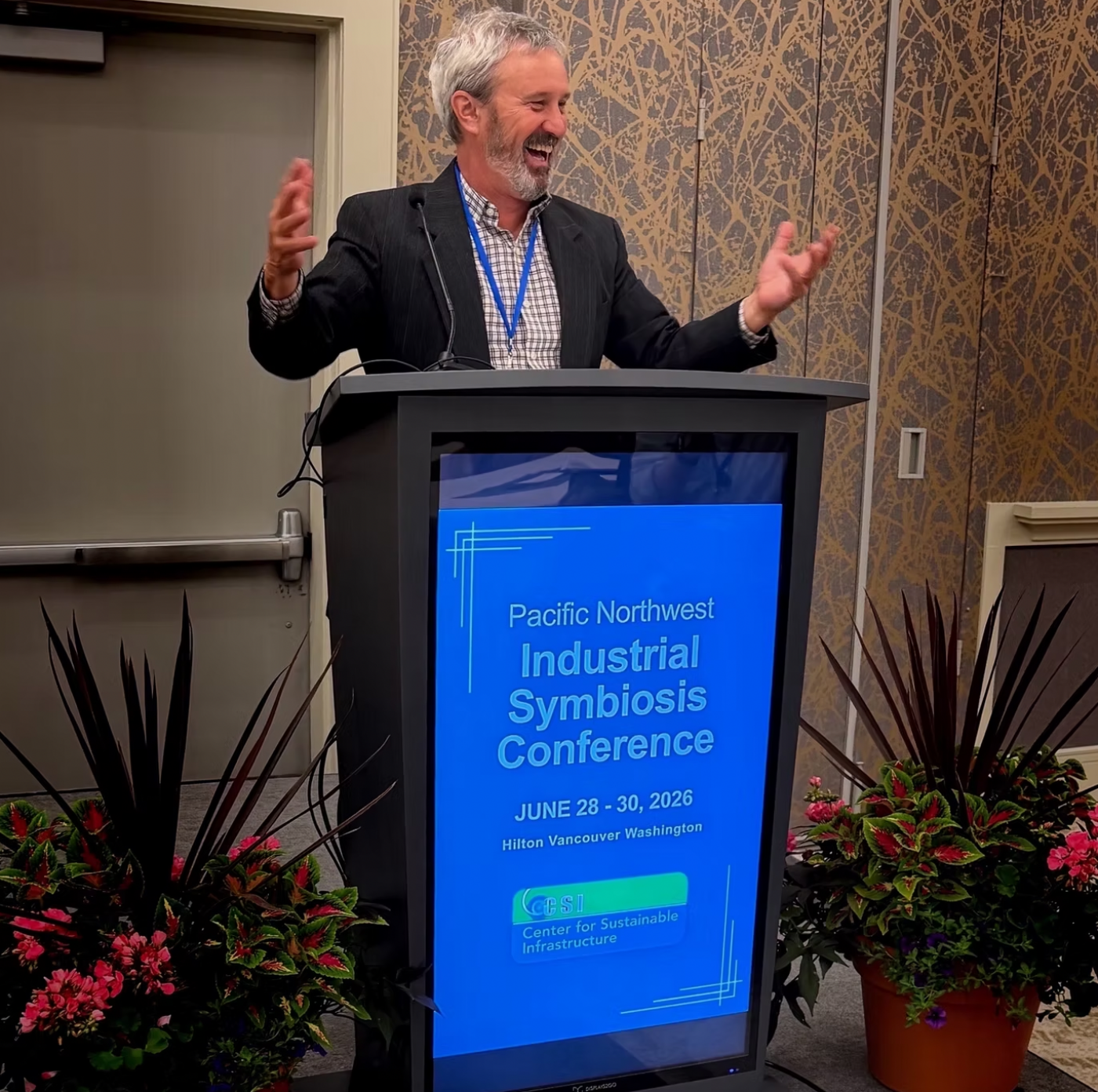
While the topic of planning doesn't typically get whoops of excitement at a conference, the "Kickstarting local IS initiatives" panel actually WAS exciting...perhaps because it charted a path for getting IS, well, kickstarted.
The panel consisted of four speakers: Stephen McFadden, the deputy executive director of economic development at the Port of Pasco. Debbie Radie, the chief quality stewardship officer at Boardman Foods; Laura Gloria, CSI’s IS technical assistance program manager; and Steve Worley, who currently works as a project manager at Jacobs. The audience was given an opportunity to hear answers to common IS questions as well as ask their own.
The panelists started by sharing their introduction to industrial symbiosis. McFadden started, “Food processors are very thirsty. “How do we find a way to do different approaches to reusing that water?” After his trip to Denmark, he realized the approach for his port was industrial symbiosis.
Debbie Radie shared a similar story about the impact of her trip to Denmark with CSI. Worley also shared how his work with a wastewater treatment facility and working with CSI led to taking an industrial symbiosis approach to his projects. Gloria described it simply, “The passion for the knowledge that everyone brought back is real.”
A point emphasized by the panelists was the ability for industrial symbiosis to start small. Worley stated, “How do you know when you have the right number? If you have two and they can use waste for one for the other? You are set!”
The panelists described the outlook needed to manage industrial symbiosis. Worley stated: “To me, some of the technical expertise that's needed is twofold: First, someone who has the capacity to look at the bigger picture; second, we need someone who is going to get those itty bitty details. To me it takes both kinds.” He described the need for knowledge of the larger connected system, as well as the individual systems.
The discussion started to reach a conclusion discussing whether leadership is shared in an IS project or if it tends to be led by one voice. The panelists clarified that IS starts small.
Radie stated: “It starts with one person; you have to be passionate and educated about it.”
The panelists also made clear that while there is always an “IS champion,” IS projects cannot be managed alone.
While starting an IS project can be hard, the consensus was clear, and repeated many times. How do you start an IS project? You just start.
By Meredith Purdue
Energy isolation, a force that has stagnated Oregon and Washington’s economic growth, is now actively challenged in ongoing U.S. projects discussed during the Monday, July 1 panel on energy symbiosis.
Shared infrastructure. Co-location. Symbiotic exchange. As a champion of mutually beneficial industrial relationships, Denmark’s solution to resource isolation is revolutionizing the energy industry.
Shannon Souza with Sol Coast Consulting and Design is bringing these three aspects of
Denmark’s approach, which she observed at a GreenLab site, into their work at the Port of Moses Lake. By uniting existing infrastructure and industrial symbiosis, Souza presented a three-fold project set to complete in 2041 that addresses energy inefficiencies. But navigating environmental and regulatory challenges along the way is a careful process.
“We want to make sure we are not making regretful decisions in the infrastructure we are invested in,” said Souza.
In Bellingham, Washington, the thermal energy network company, Corix, is working with large-scale district management systems to create circular energy solutions.
“You can think of it like an electric grid,” said Jeff Giffin with Corix. “You’re essentially connecting up multiple buildings to a single network.”
According to Giffin, the model uses renewable energy exchange to achieve economic growth on a scale that isn’t feasible when operating independently.
Yet, the path to achieving energy sustainability remains controversial, particularly the continued use of natural gas. Corix stores natural gas on site, which acts as a back-up energy source for emergencies. According to Giffin, it remains a necessary precaution.
“The Danes have this saying that is, ‘don’t let the perfect be the enemy of the good,’” said Giffin.
By Meredith Purdue
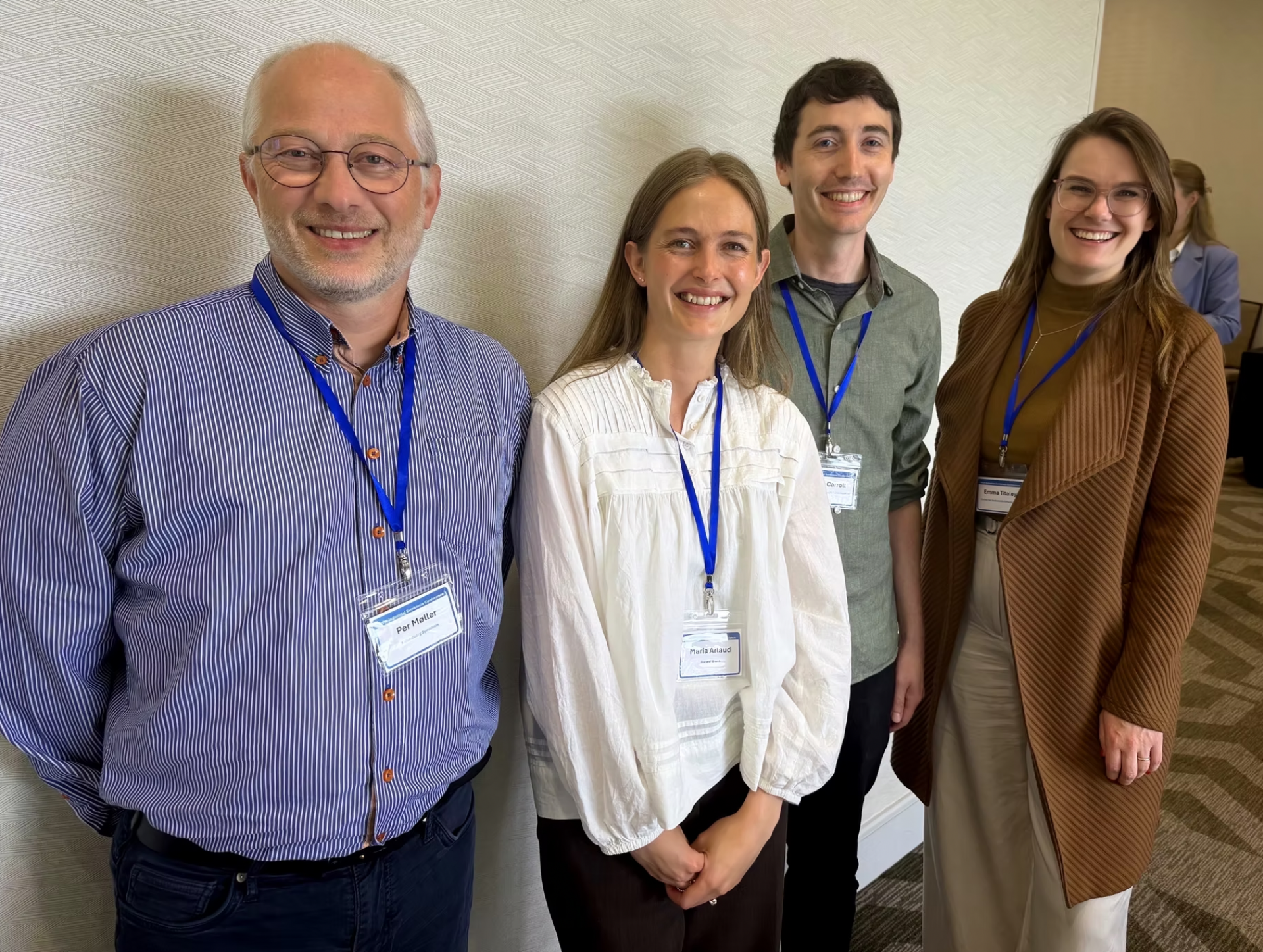
“Water is the through line for all of industrial symbiosis,” said Fidan Karimova, the senior director of circular water economy at the Water Environment Federation, at the panel Monday on water symbiosis. “Without water there would be no industry.”
Karimova said the water cycle is the original circular economy, a model that is gaining momentum across the Pacific Northwest. Despite these shifts in thinking, historically employed approaches to energy and waste management persist.
“Getting smart and conscious about the value of resources is just a part of the process of bumping up against limits,” said Dawn Lesley, panelist and lead sustainability specialist at Jacobs Engineering.
By remaining independent from one another, business owners pay high prices for energy that is available as a byproduct at a neighboring facility. According to the Lesley, water is just one of many resources wasted in both public and private spaces, often due to limited awareness.
But the solution might just be simpler than we think.
“It starts with, start where you are and use what you have,” said Lesley. Overcoming these resource barriers begins with conversations in the neighborhood and beyond the scope of the local community.
The panelists shared eye-opening experiences in Denmark and Japan that illustrated how industrial development teams overcame what Lesley called “the human challenge:”
Cultural barriers and the normalization of structures that prevent resource-sharing.
According to Lesley, when it comes to establishing circular economies, the human challenge is a greater barrier than any technical or engineering constraints.
By Meredith Purdue
Advice from symbiosis-ready business leaders?
"Prioritize trust."
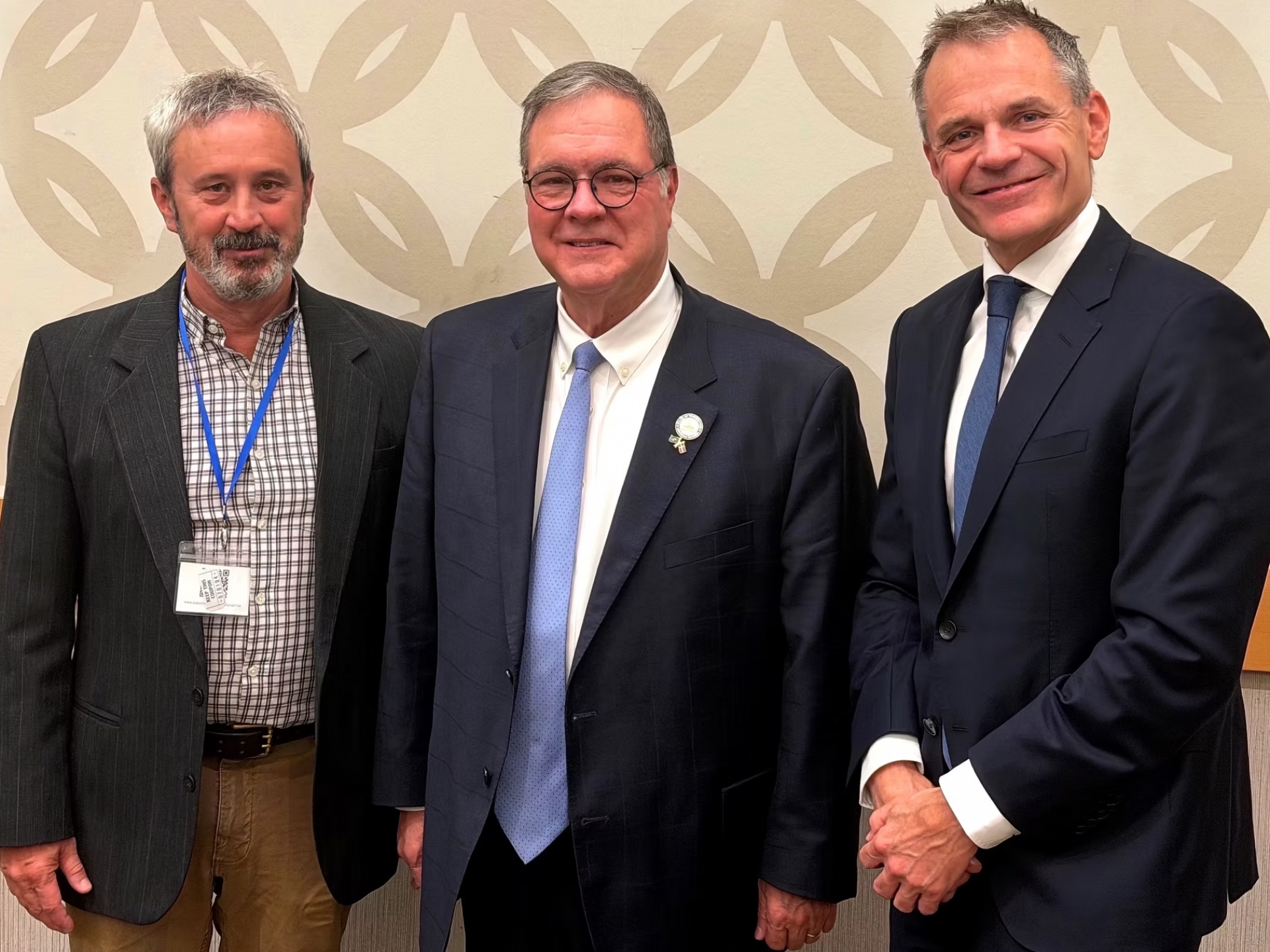
Danish and U.S. companies met Tuesday during the Industrial Symbiosis Conference to discuss how industrial symbiosis fits into their business model. Robert Sherren, head of business development for Blue Power Partners, said the breaking point for projects that model well is achieving long-term revenue. He emphasized the importance of establishing a pilot plan and considering what scaling up looks like in day-to-day operations.
“All plans are going to be wrong in the end,” said Sherren. “But it is really important that you do the planning.”
Trust is an essential part of every plan. According to Sean Regan, business development manager for Ramboll, companies must prioritize public involvement. He envisioned successful planning as “a clear execution roadmap that all stakeholders have fully bought into.”
Similarly, Ben Cairns, commercial director for Tidal Vision, attributed his company’s success to establishing clear boundaries and expectations with internal and external stakeholders, an approach inspired by the Danes.
Advancing digital infrastructure through industrial symbiosis may also make the public’s coexistence with datacenters more feasible. According to Ashley Dirou, global sales development manager for Grundfos, datacenters are ushering infrastructure into an era of efficiency, facilities she said the community is prepared to invest in.
In a time of rapid technological advancement and a global race to crack the code on long- term sustainability, relationships between companies and their stakeholders remain pivotal to success.
“You’re not going to have a great relationship without trust,” said Sherren.
Subscribe
SDF email updates (about once a month)
Follow
Find us on social platforms


Scan Design Foundation
The Scan Design Foundation by Inger & Jens Bruun was established by the Bruuns to promote and strengthen the relationship between their native Denmark and their adopted home, the United States.
US Foundation
7724 35th Ave NE
Seattle, WA. 98115
Danish Foundation
Hedesvinget 22, 9520 Skørping
scandesignfonden.dk
Cookie Policy | Terms & Conditions
© Scan Design Foundation 2026. All Rights Reserved.
Who We Are
Vision & Mission
Staff & Board
Our Story
Contact
What We Support
Advancing Danish American Relations
Projects & Partners
Strategic Framework
Sharing Our Work
Our Grant Investments
Research & Reports
Information for Students
Updates


